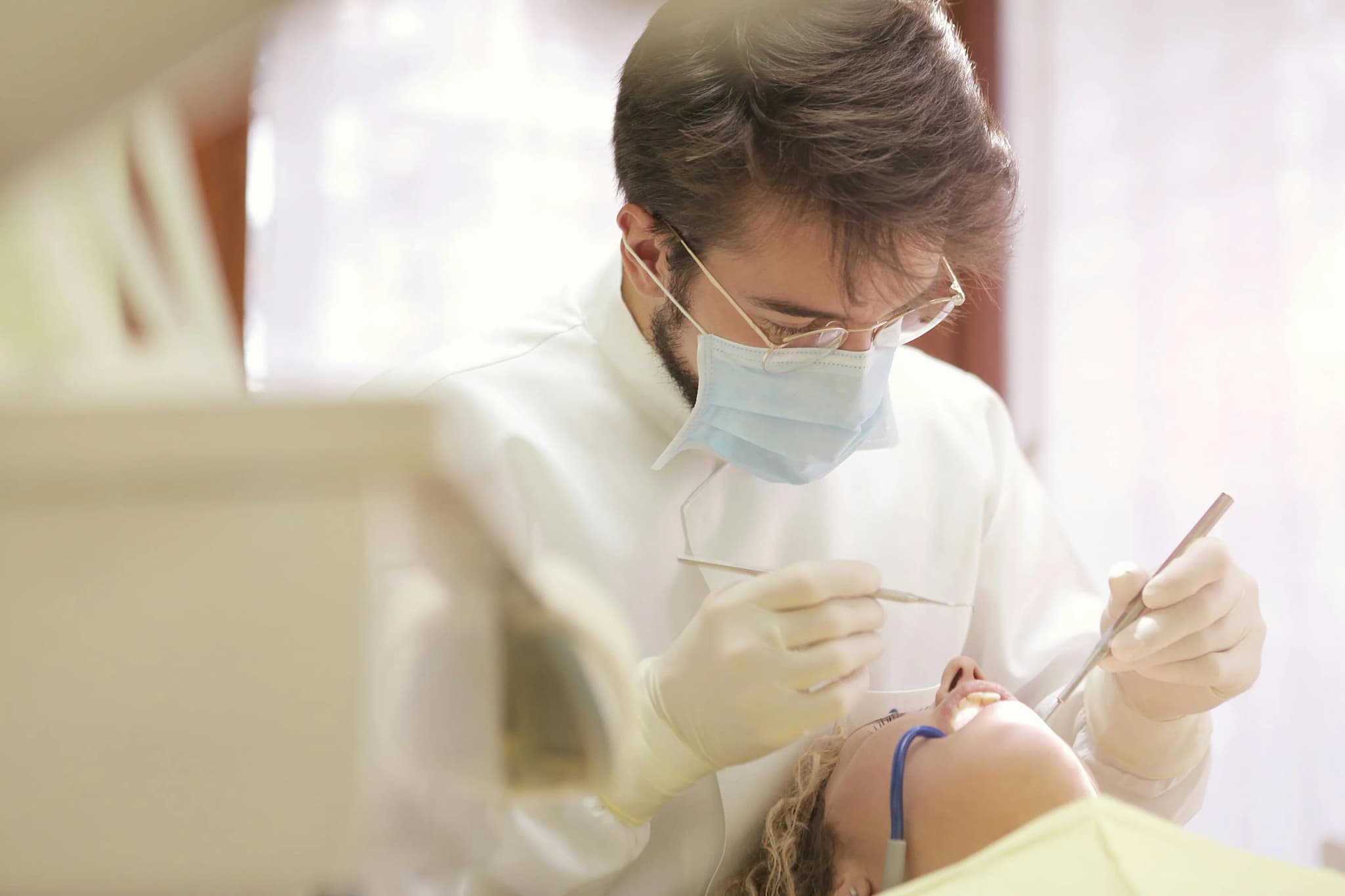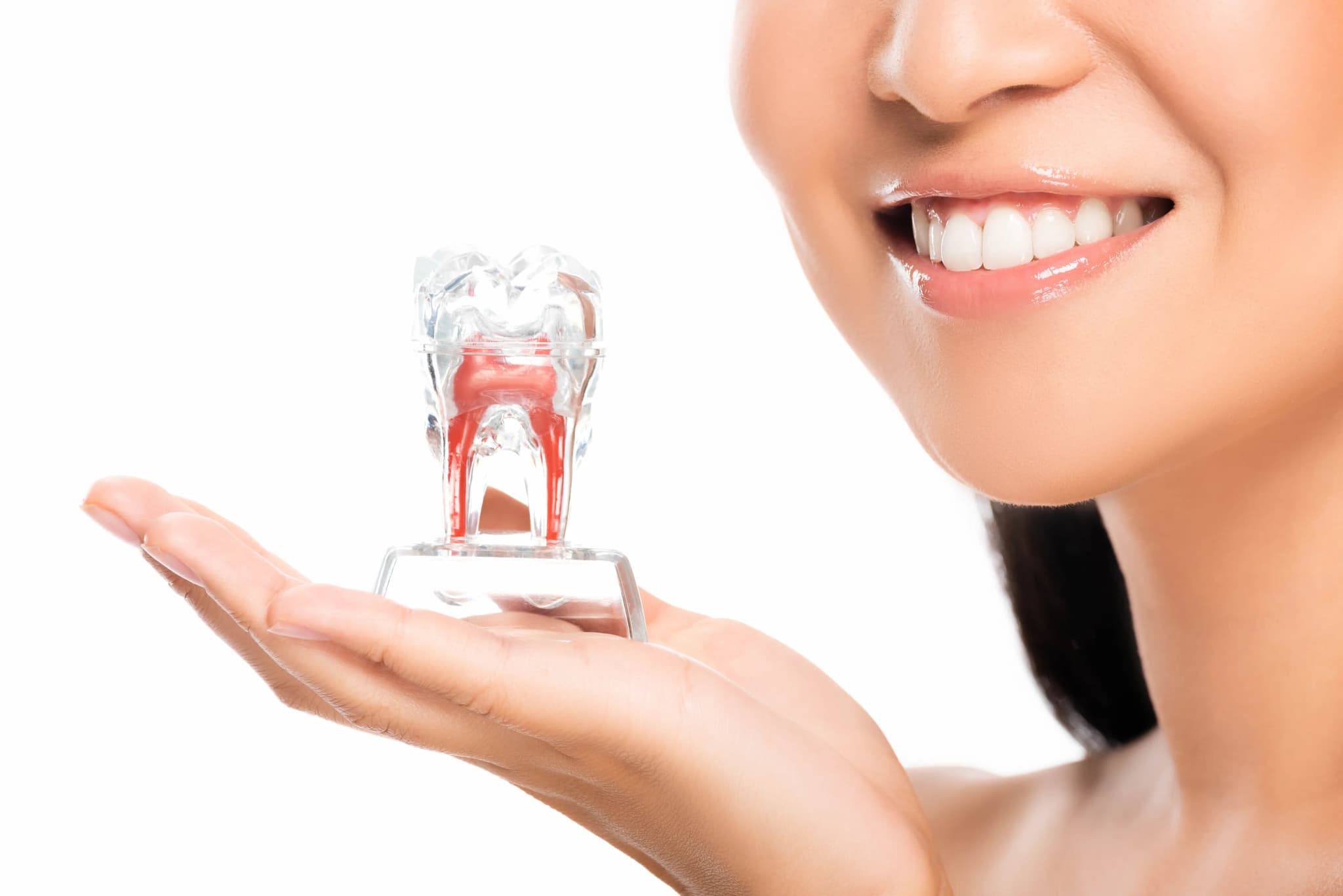
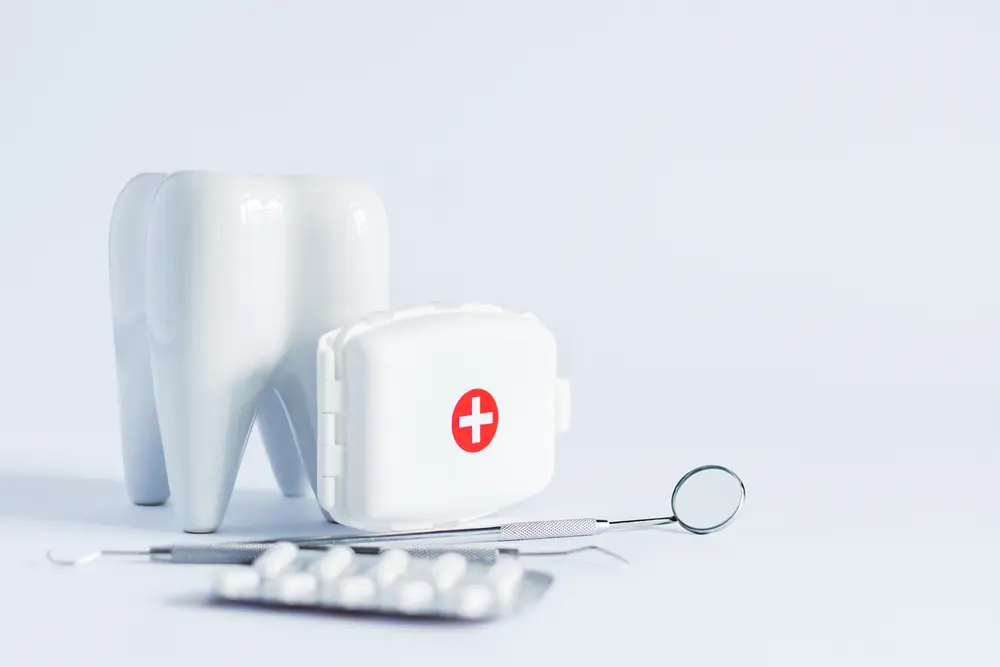
A dental emergency can happen to anyone at any time. A child falls off a bike and knocks out a tooth. You bite down on something hard and feel a crack. A dull ache that has been building for days suddenly becomes unbearable at 10pm. In moments like these, knowing what to do in the first few minutes can make the difference between saving a tooth and losing it.
This guide covers step-by-step first aid for every common dental emergency. Keep it bookmarked on your phone so you have it when you need it.
Written by Dr. Mahtab Ghazvini, DMD (University of Manitoba), principal dentist at Spire Dental Care Langley. Dr. Ghazvini has provided emergency dental care to families across Langley, Surrey, and the Fraser Valley since 2019.
Last reviewed: March 2026
Need emergency dental care now? Call Spire Dental at (778) 296-3888. Mon to Fri 7am to 8pm, Sat 7am to 7pm. After-hours phone support available. Visit our emergency dentist in Langley page for more information.
Knocked-Out Tooth
A knocked-out permanent tooth can be saved if you act within 30 to 60 minutes. After 60 minutes, the success rate drops significantly. Here is what to do immediately.
-
Pick up the tooth by the crown (the white part you can see when you smile). Never touch the root, which is the pointed end that sits in the gum. Touching the root damages the cells your dentist needs for reimplantation.
-
Rinse gently with milk or saline if the tooth is dirty. Do not scrub it. Do not use soap, alcohol, or hydrogen peroxide. Do not dry it or wrap it in tissue.
-
Try to place it back in the socket. Gently push it in with your fingers and hold it in place by biting down softly on a clean cloth. This gives the tooth the best chance of survival.
-
If you cannot reinsert it, keep it moist. Place the tooth in a small container of cold milk. Milk preserves the root cells better than water. If you do not have milk, the person can hold the tooth between their cheek and gum.
-
Call Spire Dental at (778) 296-3888 and let us know a tooth has been knocked out so we can prepare for your arrival.
-
Get to our office within 30 to 60 minutes. The sooner you arrive, the higher the chance of saving the tooth.
These steps follow the American Dental Association's guidelines for managing avulsed teeth. At our Langley clinic, we have successfully reimplanted knocked-out teeth for patients who arrived within the first hour. The key factor in every successful case was keeping the tooth moist and getting here quickly.
Baby Teeth vs. Permanent Teeth
If a child knocks out a baby tooth, do not try to reinsert it. Pushing a baby tooth back into the socket can damage the permanent tooth developing underneath. Instead, apply gentle pressure with gauze to stop bleeding, comfort the child with a cold compress, and call your dentist.
For permanent teeth (typically age 6 and up), follow the steps above. Time is critical.
What the Dentist Will Do
When you arrive, we will examine the socket and the tooth, take X-rays to check for root or bone damage, and reimplant the tooth if possible. A splint (a small wire) is used to hold the tooth in place for 2 to 4 weeks while it reattaches. You will need follow-up visits to monitor healing.
For more on emergency tooth treatment, visit our emergency dentist in Langley page or our broken tooth emergency care service page.
Severe Toothache
A severe toothache that does not go away usually means something is wrong inside the tooth, often decay that has reached the nerve, an abscess, or a crack. Here is what to do while you wait to see the dentist.
-
Rinse with warm salt water. Dissolve half a teaspoon of salt in 8 ounces of warm water and swish gently for 30 seconds. This helps reduce bacteria and can ease mild inflammation.
-
Take ibuprofen (Advil, Motrin). Ibuprofen is the best over-the-counter option for dental pain because it fights both pain and swelling. Follow the dosage on the label. Avoid aspirin, which thins blood and can increase bleeding if you need a procedure.
-
Apply a cold compress. Hold a cold pack or ice wrapped in a towel against your cheek for 20 minutes on, 20 minutes off. This numbs the area and reduces swelling.
-
Do not put aspirin directly on the gum. This is a common myth. Aspirin is acidic and can burn the soft tissue in your mouth.
-
Call (778) 296-3888 for a same-day appointment. Describe your symptoms so we can prioritize you appropriately.
In our experience, most severe toothaches that arrive as emergencies turn out to be either deep decay reaching the nerve or an abscess forming at the root. Both are treatable with same-day care.
When a Toothache Means Infection
If your toothache comes with any of these signs, it may be an abscess (infection) and you need to be seen urgently:
- Throbbing pain that does not respond to painkillers
- Swelling in your face, jaw, or under your eye
- Fever or general feeling of being unwell
- A foul taste in your mouth or pus near the tooth
- Swollen lymph nodes in your neck
Dental abscesses can spread to other parts of your body. Do not wait for a "convenient" time. Call us immediately. Read more about toothache relief and our abscess treatment services.
Broken or Chipped Tooth
What you should do for a broken tooth depends on the severity. A small chip with no pain is less urgent than a large break exposing the inner tooth.
-
Rinse your mouth with warm water to clean the area and remove any loose fragments.
-
Save any tooth pieces. Place them in a container of milk, just like a knocked-out tooth. Your dentist may be able to bond them back.
-
If there is bleeding, apply gauze with gentle pressure for 10 to 15 minutes until it stops.
-
Apply a cold compress to the outside of your mouth near the break to reduce swelling.
-
Cover any sharp edges with dental wax or sugar-free gum to protect your tongue, cheek, and lips from cuts.
-
Call Spire Dental at (778) 296-3888 for same-day repair. We can often fix chips and fractures in a single visit using bonding, crowns, or veneers depending on the damage.
Types of Tooth Breaks
- Minor chip (enamel only): Cosmetic concern, usually not painful. Can wait a day or two but should be evaluated.
- Moderate fracture (into dentin): Sensitive to temperature and pressure. Needs same-day attention.
- Severe fracture (exposing pulp/nerve): Significant pain, possible bleeding from inside the tooth. This is urgent and may need a root canal or extraction.
Visit our broken tooth emergency care page for more information.
Lost Filling or Crown
A lost filling or crown leaves the underlying tooth exposed and vulnerable to sensitivity, further decay, and fracture. Here is what to do.
-
If you have the crown, keep it. Rinse it gently and try placing it back over the tooth using dental cement, denture adhesive, or even a small amount of toothpaste as a temporary hold. Do not use super glue.
-
Avoid chewing on that side of your mouth to prevent further damage.
-
Apply clove oil (available at most pharmacies) to the exposed area with a cotton swab if you are experiencing sensitivity. Clove oil contains eugenol, a natural anesthetic.
-
Call (778) 296-3888 to schedule a same-day replacement. The longer the tooth is exposed, the higher the risk of complications.
For details on our lost filling and crown repair services, visit the service page.
Dental Abscess
A dental abscess is a pocket of pus caused by bacterial infection. This is one of the most serious dental emergencies because the infection can spread to your jaw, head, neck, and in rare cases become life-threatening.
-
Do not attempt to pop or drain the abscess yourself. This can spread the infection.
-
Rinse gently with warm salt water (half teaspoon in 8 ounces) several times a day. This can help draw the infection toward the surface and provide temporary relief.
-
Take ibuprofen for pain and swelling.
-
Call (778) 296-3888 immediately. Abscesses require professional drainage, antibiotics, and treatment of the underlying cause (usually a deep cavity or cracked tooth).
-
If you have difficulty breathing, swallowing, or a high fever, go to the emergency room. These are signs the infection may be spreading to your airway.
We treat dental abscesses regularly at our clinic. Early treatment with drainage and antibiotics resolves most cases within days, but waiting can lead to hospitalization. If you suspect an abscess, do not delay.
Learn more about our abscess drainage and infection treatment services.
Bleeding That Will Not Stop
Bleeding from the mouth can result from trauma, extraction, gum disease, or biting your tongue or lip. Here is how to manage it.
-
Apply firm, steady pressure with a clean piece of gauze or a damp tea bag for 20 minutes without checking. The tannins in tea help promote blood clotting.
-
Keep your head elevated. Sit upright rather than lying down.
-
Do not spit, rinse forcefully, or use a straw. These actions can dislodge the blood clot forming at the wound.
-
If bleeding has not stopped after 30 minutes of continuous pressure, call us at (778) 296-3888 for guidance on whether you need to come in.
Visit our emergency gum bleeding treatment page for more information.
When to Go to the ER vs. the Dentist
Hospital emergency rooms can prescribe pain medication and antibiotics, but they cannot perform dental procedures. For most dental emergencies, you will get faster, more effective treatment at a dental office.
Go to the ER if you have:
- A broken jaw or facial bones
- Severe facial trauma from an accident
- Difficulty breathing or swallowing due to oral swelling
- Uncontrolled bleeding that does not stop after 30 minutes of pressure
Go to the dentist if you have:
- A knocked-out, broken, or cracked tooth
- Severe toothache or dental pain
- A lost filling or crown
- Signs of dental infection (swelling, fever, bad taste)
- Gum bleeding from injury or gum disease
At Spire Dental Care, most emergency patients are seen within 2 to 4 hours during business hours. Call (778) 296-3888 and we will fit you in the same day.
What to Bring to Your Emergency Visit
Having these items ready saves time and helps us treat you faster:
- Your dental insurance card (we direct bill most major providers)
- A list of any medications you are currently taking
- The knocked-out tooth, crown, or tooth fragments (stored in milk)
- A description of what happened and when the pain started
How to Prevent Dental Emergencies
While not all emergencies can be avoided, these steps reduce your risk significantly:
- Wear a mouthguard during sports. Custom mouthguards from your dentist offer much better protection than store-bought options.
- Do not chew ice, popcorn kernels, or hard candy. These are the most common causes of cracked teeth in adults.
- Keep up with regular checkups. Small cavities caught early do not turn into painful emergencies later.
- Address grinding or clenching. A night guard protects your teeth from fractures caused by bruxism.
Quick Takeaways
-
A knocked-out permanent tooth can be saved if you get to the dentist within 30 to 60 minutes. Keep it in milk.
-
Ibuprofen is the best over-the-counter painkiller for dental emergencies. Avoid aspirin.
-
Dental abscesses are serious. Call immediately if you see swelling, fever, or pus.
-
Go to the ER for broken jaws, airway issues, or uncontrolled bleeding. Go to the dentist for everything else.
-
Save our number: (778) 296-3888. Spire Dental Care, 8029 199 St #250, Langley, BC. Mon to Fri 7am to 8pm, Sat 7am to 7pm. After-hours phone support available.
Visit our emergency dentist page for more information and to book a same-day appointment.